



 Kazanan






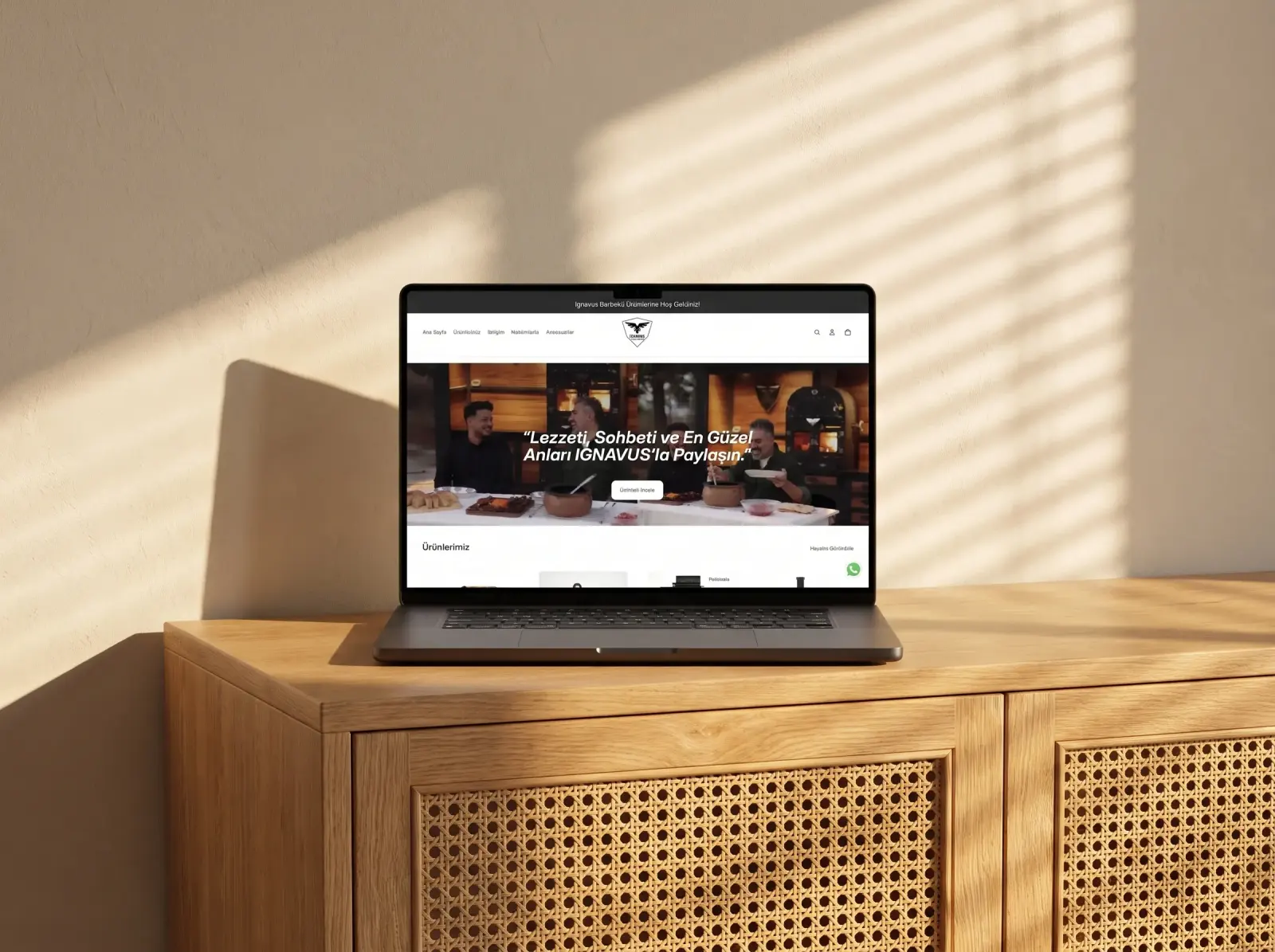








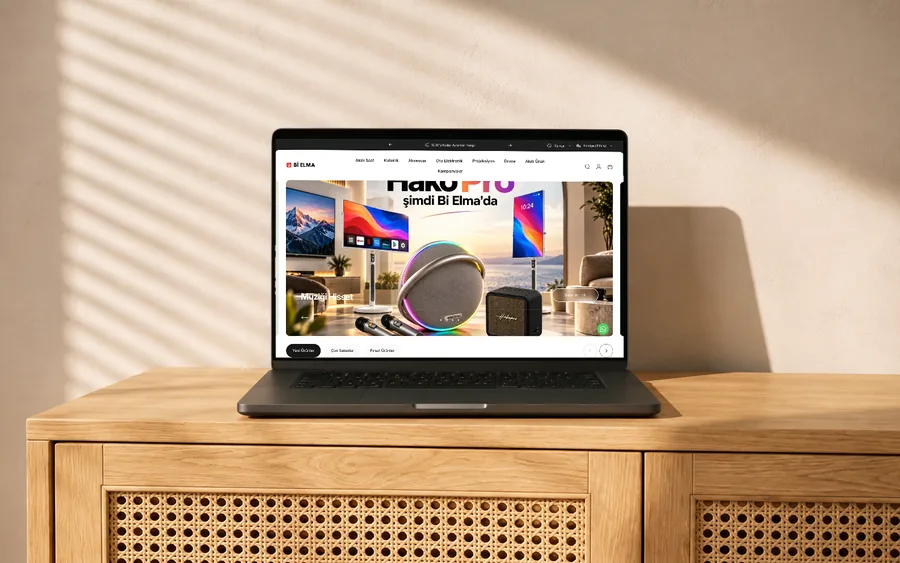
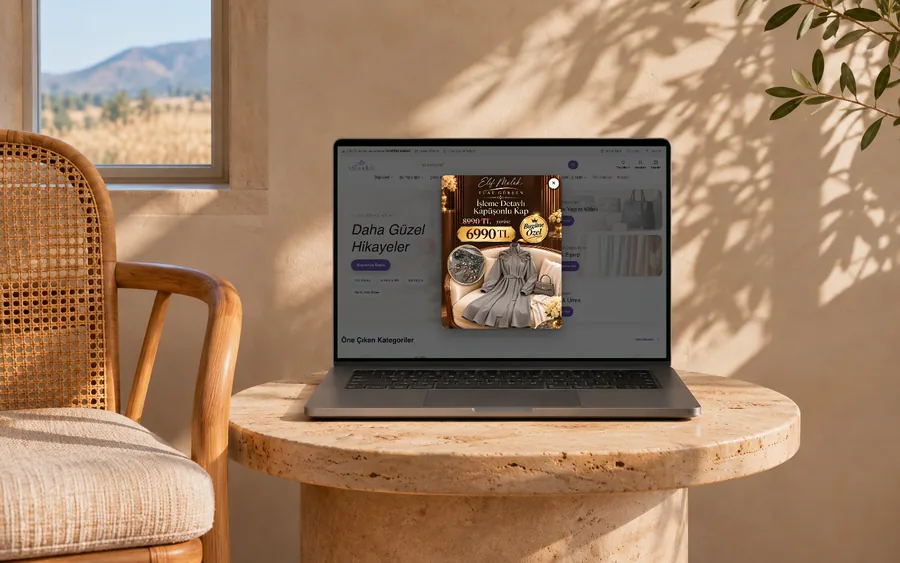




























Hakan MelekElif Melek
E-commerce
Custom Shopify Theme Development
A custom Shopify theme should connect your brand to the decisions shoppers need to make. Visitors must find the right product, understand their options and move confidently to the cart. Prix Studio helps compare a focused improvement to the current theme with a new theme built around your catalogue and team.
Ücretsiz · 24 saatte yazılı dönüş · Bağlayıcı değil
300+ marka · 10+ yıl · 6 ülke
Extend an existing theme or build a custom Shopify theme?
A distinctive storefront does not automatically require headless Shopify development. Adding a section, product template or collection layout to the current theme may be sufficient. The right decision depends on business behaviour, publishing frequency and maintenance capacity as well as visual preference.
Review the existing theme’s page types, installed applications and update approach. Document which differences can be handled through settings and which require code. A new theme brings more design and testing responsibility, so its justification should be specific. It is a delivery choice, not a guarantee that every current limitation will disappear.
In an illustrative fashion store, sizing information and variation images may determine confidence. A technical-products retailer may need comparable specifications and clear compatibility information. Both requests can be described as a custom theme, but they concern different decisions. Representative products are a stronger discovery input than a collection of visually appealing reference websites.
| Approach | Decision criterion | Boundary to review |
|---|---|---|
| Configure the current theme | Required behaviour is already available | Real content and mobile states |
| Add a section or template | The gap is limited and clearly defined | Updates and application interactions |
| Build a new theme | A distinct page system and brand rules are required | Broader testing and maintenance responsibility |
Design product pages around the purchasing decision
Planning product detail with Shopify SEO helps maintain useful, consistent information for visitors and discovery systems. Product name, selected variation, price, availability and descriptive content should support each other. A large hero image alone does not resolve missing delivery information or unclear product specifications.
For jewellery, material, dimensions and care may be important. Furniture can require size, delivery conditions and contextual imagery. Present this information in appropriate, comparable fields rather than one repeated wall of text. Detailed explanations, related questions and image inspection support different levels of investigation without making every visitor read everything.
Check missing selections, unavailable variations and changing prices before a shopper adds the item to the cart. Cards and detail pages should not contradict each other. CTA visibility matters, but understanding what is being purchased matters too. Accept the design against these tasks rather than an attractive screenshot of a single ideal product.
Create custom sections merchants can manage in the theme editor
The way your team updates pages belongs within store management planning. A custom section should expose the fields the team actually needs. Making every spacing or colour value editable can weaken consistency; keeping all information in code can make routine campaign work unnecessarily dependent on developers.
Liquid sections support reusable content modules. Define where a section belongs and how the merchant can arrange it. A statically included section behaves differently from a section in a JSON template: it cannot be removed or reordered in the same way. These choices affect what a marketing team can do after handover.
Use a real campaign task to test changes to copy, images and links. Include long headings, absent images and a different product group in the acceptance examples. Explain which changes the team can make safely and which need design or development support. Practical demonstration and concise notes are more useful than implying that every future change will require no code.
Controlled content settings
Change campaign copy and imagery while keeping agreed brand rules intact.
Reusable modules
Maintain consistent product explanations across relevant templates.
Task-based handover
Have an editor prepare a genuine campaign or product update during training.
Separate theme, application and checkout requirements
When planning marketing automation, define where the theme’s responsibility ends. A visible storefront component may depend on an application, data connection or store setting. Moving everything into the theme does not remove those dependencies; it can simply make them harder to identify and maintain.
Cart-page design and payment-step customisation are different scopes. Shopify checkout and account pages use a separate editing approach, with advanced capabilities depending on the plan and eligible tools. Buying a custom theme does not give unrestricted control over every payment field or checkout interface.
Keep an inventory of which application supplies each function. Review embedded application code, duplicated tools and remnants from uninstalled applications where relevant. Subscription, pricing or checkout requirements need a feasibility check against the actual store configuration before being included in a fixed delivery promise.
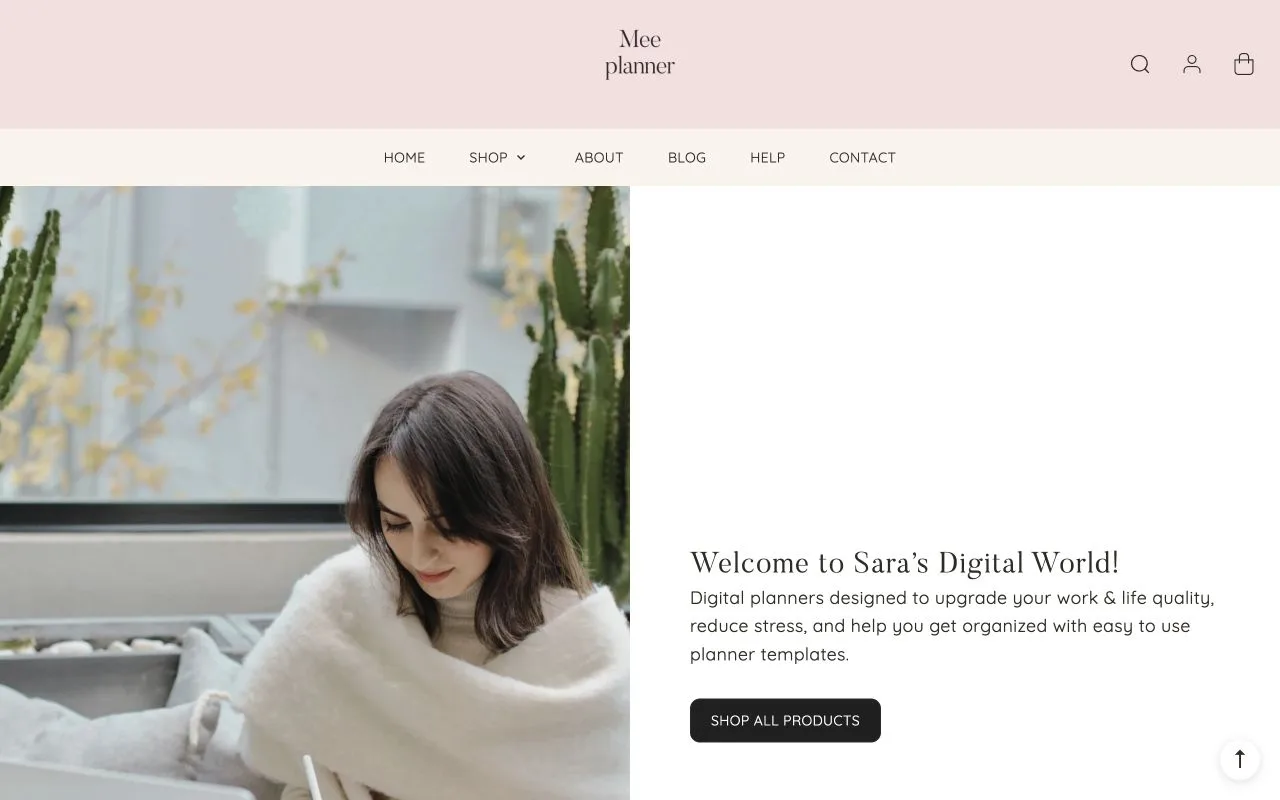
Meeplanner · A reference from our website portfolio Selected work
Review mobile usability, performance and conversion events
Revalidate measurement events when publishing a replacement theme. Product views, cart additions and purchases represent different actions. Old and new implementations must not double-report the same transaction. Evaluate product and transaction context without placing customer contact information in analytics payloads.
Measure image weight, scripts and application effects using representative page types. A laboratory score is not proof of every visitor’s experience or of improved sales. Test product selection, navigation, cart updates and error messages as real tasks on small screens, including the states that an ideal desktop mockup rarely shows.
Record a baseline and the templates affected by each improvement. Check under comparable conditions afterwards, and interpret commercial outcomes alongside traffic and offer changes. Motion and interactions should clarify options, state or hierarchy. They should not compete with a shopper trying to compare a product or complete a purchase.
Agree theme handover and a deliberate launch plan
Include SEO transition checks in a theme replacement even if URLs remain unchanged. Review headings, metadata, internal links, structured data and content visibility in the new templates. If catalogue or page addresses change, a redirect plan becomes an additional requirement rather than an optional final task.
Before release, test representative products, collections and campaign pages in theme preview. Review applications, language versions and the purchase journey. Establish publishing permissions and approval responsibility. Explain how returning to the previous theme interacts with application and data changes; a saved theme alone is not a complete rollback plan.
Separate design, templates, custom sections, content entry, applications and testing in the proposal. Theme licensing and recurring tools are different from development fees. Begin with the current URL, an existing design if available and a few product examples. A useful scope follows those concrete requirements rather than a universal custom-theme package.
Frequently asked questions
Anything else? Write to us.
Can we improve the current theme instead of replacing it?
Yes, where the requirement is limited. Review the theme structure, licence and application interactions first. A new section or template may address the gap without rebuilding the entire storefront.
Can a Figma design become a Shopify theme?
Review whether the design covers product states, mobile layouts, errors and empty content. Shopify’s theme and checkout boundaries also matter. Resolve missing behaviour before defining the implementation scope.
Will our team be able to edit a custom theme?
Agreed section settings can support everyday content tasks. Structural changes are not always editor tasks. Use a real campaign or product update during handover to demonstrate the boundary.
Does a custom theme allow a completely custom checkout?
No. Checkout and account editing are separate from the theme editor. Advanced options depend on the store plan and eligible applications. Assess the requested behaviour against the actual merchant configuration.
Will a custom theme definitely make the store faster?
Performance depends on images, applications, code and user conditions. Representative templates can be measured and improved, but neither a score nor a sales increase should be guaranteed. Identify the source of unnecessary weight first.
What determines the cost of a custom Shopify theme?
Template variety, sections, design readiness, catalogue requirements, languages and testing affect effort. Theme licences, application charges and ongoing maintenance should be identified separately.
Find the theme change your store actually needs
Share the current URL and representative products. We can compare adaptation, custom sections and a new theme.
Ekibimiz doğrudan dönüş yapar
E-ticaret işleri, gerçek mağazalarla.
Ömer Özşahinezİgnavus Barbekü
İrfan Hatip3D Hediyem
Cem ÇakıcıMarkajemde
Google yorumları
 Google
“Shopify mağazamızın kurulumu ve TikTok reklam kampanyalarımızın yönetimi için İsmail bey ve Muhammed beye teşekkür ederiz süreçten memnun kaldık. shopifyda istediğimiz özelleştirmeleri yaptılar ve tasarım tam beklediğimiz gibi oldu ve TikTok reklamlarıyla genç kitleye ulaşmamızı sağladılar. Ellerinize sağlık. ajansı ve ekibi öneriyorum.”
Google“Bu yorumu web sitemizi aldıktan 3 ay sonra yapıyorum. Kendim beklemek istedim ve hizmet sonrası süreçten emin olduktan sonra yorum paylaşmak istedim. Benim için ve prix studio ile kurulan mağzam için teslim sonrası destekleri ve benim yanımda olmakları her şeyden daha önemliydi. içim rahat birşekilde size yapılan web sitenin kalite olarak, kullanıcı deneğimi olarak ve en önemli google ve instagram reklamları sonrası kazançlarımız olarak en iyi ve doğru tercilerden birisi prix stuudio ekibi olduğna emin olabilirisiniz. Özellikle rakiplerimin sitesiyle kıyasladığım zaman gerçekten çok farklı seviyede çalışma yapıldığını görebilirsiniz. . Tüm ekibinize saygı ve sevgimi iletiyorum, Elinize Sağlık.”
Google“Benim için en önemli konu minimal olmasıydı. Prix Studio ile tanıştım. Kendime uygun web siteyi tasarlamamda gerçekten çok yardımcı oldular. Prix Studio'nun ekibi gerçekten de beni çok iyi anladı. Bir dahaki sefere yine Prix Studio'yu seçeceğim.”